Papaya / Pawpaw

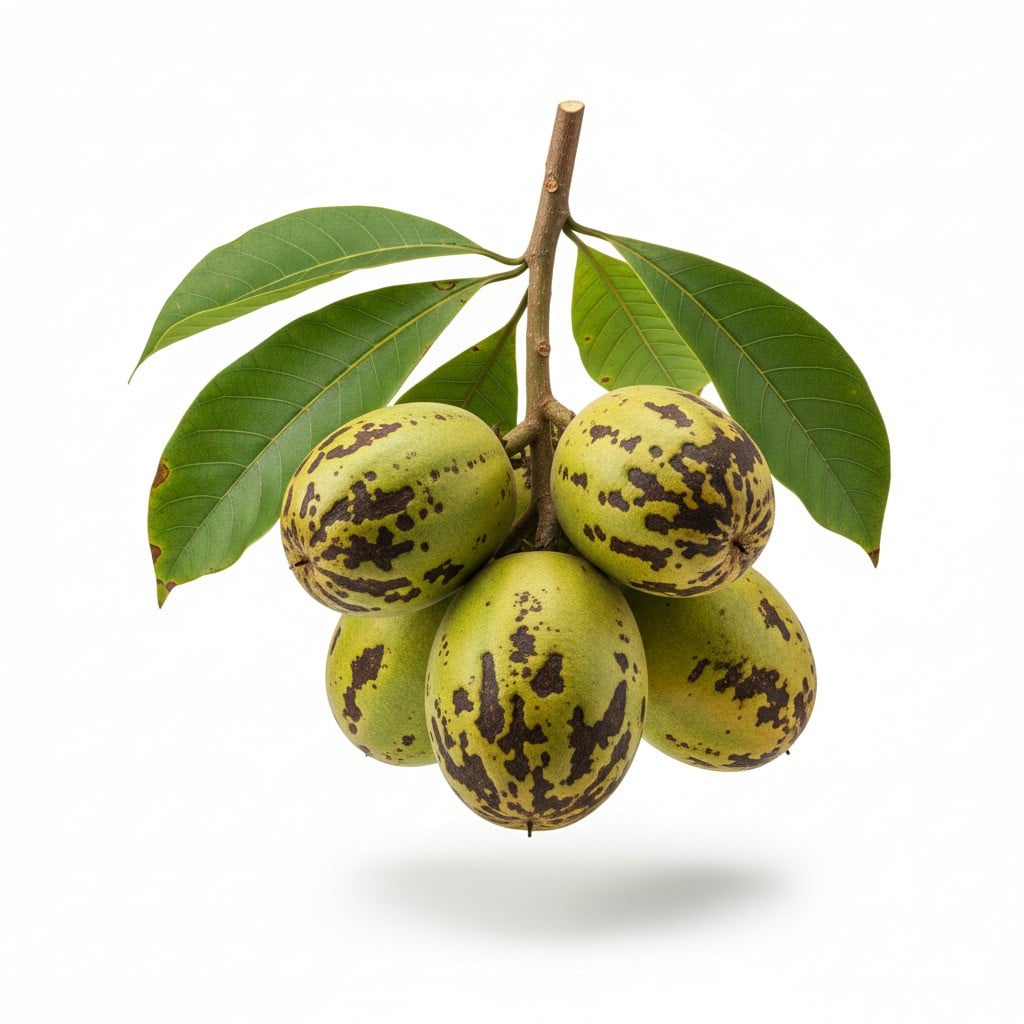
Papaya / Pawpaw
Asimina
Plant family
Custard apple family (Annonaceae)
Season Overview
Propagating
Planting
Harvest
Harvest
J
F
M
A
M
J
J
A
S
O
N
D
1ST YEAR
FOLLOWING YEARS
Details


Light requirement
Sunny

Water requirement
Moist

Soil
Medium (loamy)
Nutrient requirement
Medium

Dark germinator

Germination temperature
20 - 25 °C (Degrees Celsius)

Plant distance
300 cm

Row spacing
400 cm

Seeding depth
2.5 cm
Instructions
Description
Papaya (genus Asimina) is a genus in the plant family Annonaceae. There are eight known species within the Asimina genus, which grow as small to medium-sized trees and shrubs. They are native primarily to subtropical and temperate regions. All papaya species produce edible fruit, the Indian banana. Most of the species and the greatest diversity of the genus Asimina are found on the North American continent. Some species have a restricted distribution and grow primarily in the southeastern United States, eastern and southern Canada. Because of its edible fruit, the Asimina genus is cultivated worldwide as a commercial crop, albeit to a limited extent. It prefers subtropical thickets, as the papaya finds the best growing and living conditions there. The species differ visibly in their appearance and size. There are deciduous and evergreen species of the papaya. This difference is based on the location and the prevailing climatic conditions there. In temperate climates, the plants of this genus lose their leaves in the fall. In subtropical regions, they remain on the tree or shrub and retain their green color. Leaf The leaves are deciduous or evergreen. The leaves are alternate on the stem and are lance-oval. Depending on the species, a leaf blade reaches a length of 20 to 35 centimeters and is between 10 and 15 centimeters wide. The smooth leaf surface is hairless and has a thickened central leaf vein. The plant genus Asimina forms longitudinal and transverse leaf veins, which makes the surface of most species appear textured to ridged. The leaf blades have smooth margins. Young leaf shoots are light green and turn medium to dark green during the growing season. The foliage of some species permanently retains its light green to yellowish-green color. Deciduous, summer-green species develop a light orange to red fall color. Flowering The inflorescence consists of one to eight flowers, which are borne in the leaf axils. The flowers are between four and six centimeters in size and emit an unpleasant odor. Pollination is carried out by flies and carrion-eating insects, attracted by the flowers' strong scent. Asimina produces white, reddish-brown, or purplish-red flowers. Each sepaloid has three to four sepals and petals arranged in two whorls, in numbers ranging from three to four. Papau has numerous stamens that grow relatively small in the center of the flower and form a dense yellow cushion. Fruit The plant genus Asimina produces edible berries that vary in size depending on the species. The Indian bananas are between five and 16 centimeters long and three to seven centimeters wide. The weight of an individual fruit ranges from 20 to 500 grams. In taste, the ripe fruits are reminiscent of a combination of banana and mango. The unripe fruit is green and turns yellow or brown as it ripens. Due to their protein and vitamin content, the fruits are popular worldwide. Growth The plants within this genus grow as small to medium-sized trees and shrubs. They grow upright and branching, reaching a height of between two and 13 meters. Shrubs are fully leafed and reach a width that is usually the same as their height. Trees form a woody trunk and branches that grow from the second third of the plant up. The trunk of the Asimina genus is narrow, reaching a diameter of up to 50 centimeters. Most of the eight species are small. Only one-third reach a height of 10 to 12 meters. Distribution The main distribution area of the plant genus Asimina is the North American continent. Papayas also grow in the South. There, they are evergreen due to the climatic conditions. Various species are widespread in Florida and Georgia, Alabama and Texas, Ontario, and southern Canada. Some pawpaws are terrestrial and occur naturally exclusively in one region. Through cultivation, the genus Asimina has spread worldwide. It is one of the useful plants that grows in exotic gardens in the Mediterranean region, southern Europe, and central Europe. Uses Pawpaws are useful plants that produce tasty fruit. Even the Native Americans valued their flavor. The nickname "Indian banana" is a reference to the long history of the Asimina fruit being an important food source and source of vitamins. Despite their large and attractive flowers, these plants are not ornamental, as they emit an intense, unpleasant odor during the blooming period.
Origin:
America
Growing tips
Location Asimina prefer a sunny to semi-shady location with high humidity. The climate is optimal in the subtropics, which is why the greatest diversity of species prevails in these regions. Fruiting is directly related to the location. A high-yield harvest is guaranteed, especially in sunny locations. In temperate climates, the fruits remain smaller and form in smaller numbers. The bushes usually grow in thickets and bear little or no fruit. Cultivated trees planted for food production thrive in an open area with all-day sunlight and sufficiently moist soil. Care/pruning No special measures are required to care for the papaw. In a sunny location with moist and loose soil, Asimina thrive without much attention from the gardener. As shrubs and tree crowns reach an enormous growth width, occasional pruning is advisable. Papau planted in temperate latitudes require winter protection. Prolonged frost damages the buds and leads to a lack of shoots in spring. Smaller plants in containers can be overwintered indoors. Prolonged periods of heat require regular watering in the morning and evening. Diseases/pests The robust Papau is not prone to diseases. In a shady or too dry location, root damage occurs, causing the foliage to wither and the plant to die. Aphids and spider mites settle on the large leaves. The gardener recognizes the pest infestation promptly and cuts off the affected branches. Leaves that are curled at the edges or covered in shiny spots are a sure sign of aphids. It is sufficient to remove the damaged leaves from the branch. In wet summers, the plant genus Asimina is prone to mildew. If the leaf surface turns white to gray, the parts of the plant affected by mildew should be removed immediately. If the heat is too high and watering is too low, brown spots will form on the foliage, flowers or fruit.

Companion Plants
Apple
Asian Pear / Nashi Pear
Bergenias
Blueberry
Buttonholes
Currant
Funk
Gooseberry
Hellebores
Japanese paperbush
Lettuce (Common chicory)
Lettuce (Endive / Escarole / Erisée)
Lettuce (Lamb's lettuce)
Lettuce (Lettuce)
Lettuce (Puntarelle / Cicoria di catalogna / Cicoria asparago)
Lettuce (Radicchio / Italian chicory)
Lettuce (Sugar loaf)
Lingonberry / Partridgeberry / Mountain cranberry
Lung herbs
Make
Maples
Melissa
Peach
Pear
Plum
Plum (tree)
Purple bellflower, silver bellflower
Radishes
Rock pear (Amelanchier)
Sour cherry / Tart cherry
Spinach (Summer)
Spinach (Winter)
Strawberry
Sweet woodruff / Sweetscented bedstraw
Wild Cherry / Bird Cherry / Sweet Cherry

Antagonistic Plants
Abyssinian cabbage / Ethiopian mustard
Aubergine / Eggplant
Blackberry / Brambles
Broccoli
Broccoli raab / Stem cabbage / Cima di rapa
Brussels sprouts
Brussels sprouts
Cabbage (Cabbage)
Cabbage (Pointed cabbage)
Cabbage (red cabbage)
Cabbage (Savoy cabbage)
Cauliflower
Chili
Chinese kale - Kai-lan / Chinese broccoli
Chives
Chives
Collard greens
Collard greens (Kale)
Collard greens (Tuscan kale / Dinosaur kale / Palm tree kale)
Corn / Maize
Courgette / Zucchini
Cucumber (Caigua)
Cucumber / Gherkin
Garlic
Garlic chives
Grasses - Bamboos
Grasses - reeds, cattails, bulrushes
Japanese wine berry
Kohlrabi / German turnip / Turnip cabbage
Leeks
Melon (Sugar melon)
Melon (Watermelon)
Mizuna / Japanese mustard greens
Napa cabbage / Chinese cabbage
Okra
Onion
Onion (Spring onion)
Ornamental pumpkin
Pak Choi
Pepper / Paprika
Pumpkin / Squash
Rapeseed
Rapeseed - Sheer cabbage / Siberian cabbage
Rapini / Broccoli rabe
Raspberry
Rutabaga / Swedish turnip
Sunflower
Taybeere, Tayberry
Tomato (Bush tomato)
Tomato (Cocktail bush tomato)
Tomato (Cocktail Stake Tomato)
Tomato (Stake tomato)
Turnip
Turnip greens - Choy Sum / Chinese flowering cabbage
Turnip greens - Mizuna
Turnip greens - Tatsoi
Turnips - Oilseed turnips
Turnips - Wild turnips
Vegetable cabbage - Forage cabbage
Vegetable cabbage - Ribbed cabbage / Portuguese cabbage
Vegetable cabbage - wild cabbage / ancient cabbage
Walnut family
Wild garlic
Diseases
Angular leaf spot of cucumber
Pests
Land snails
Caterpillars
Spider mites
Aphids