Funk

Funk
Hosta
Plant family
Asparagus family (Asparagaceae)
Season Overview
Propagating
Planting
Harvest
Harvest
J
F
M
A
M
J
J
A
S
O
N
D
1ST YEAR
FOLLOWING YEARS
Details


Light requirement
Semi-shaded

Water requirement
Moist

Soil
Medium (loamy)

Nutrient requirement
Medium

Light germinator

Germination temperature
18 - 20 °C (Degrees Celsius)

Plant distance
60 cm

Row spacing
60 cm

Seeding depth
0.2 cm
Instructions
Description
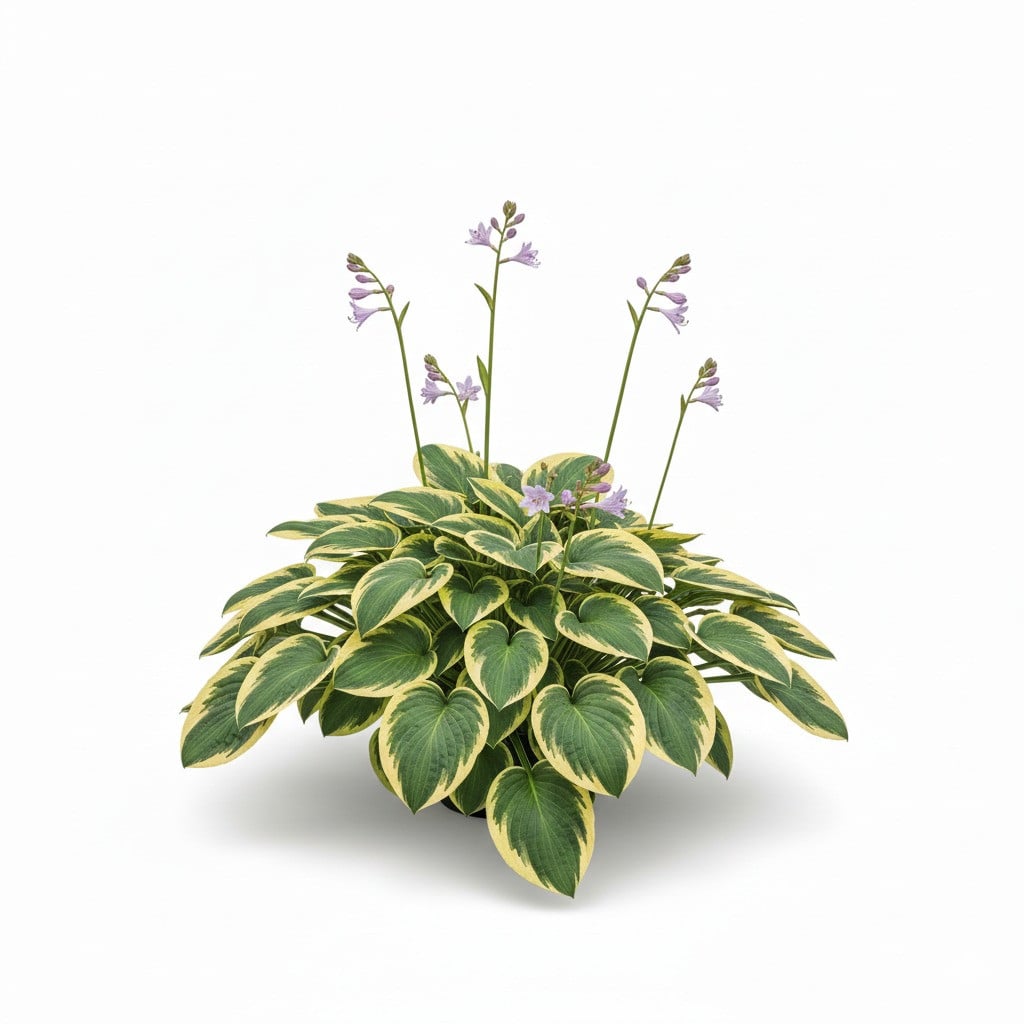
The plant genus Funkien (bot. Hosta) is a member of the subfamily Agavoideae of the Asparagaceae family. There are about 50 known species with well over 4,000 different varieties. The genus Hosta is popularly known as the heart-leaf lily or heart lily because of the rounded shape of its leaves. Hosta is botanically named after the Austrian botanist Nicolaus Thomas Host (1761 to 1834). The German name of the genus Funkien is due to the German pharmacist and botanist Heinrich Christian Funck (1771-1839). The species of the genus Hosta are impressive in their richness of appearance. In 2009, the Bund Deutscher Staudengärtner (Association of German Perennial Gardeners) named the genus Staude des Jahres (Perennial of the Year). With their different forms, the leafy ornamental perennials of this genus bring excitement to any border. In their diversity, funkias are a great companion to ferns, grasses and perennials. Leaf Plants of the Funkia genus are impressive with their basal, decorative leaves. These are spirally arranged and have long petioles. The foliage is broad and heart-shaped. Depending on the species or variety, it is lanceolate, smooth or wavy, thin or thick, small or large. Leaves range in size from tiny, about the size of a thumbnail, to very large. The vase-shaped leaf spikes of the Krossa Regal are impressive. The leaves of 'Big Daddy' are strong and thick. The species of the genus Hosta are surprisingly varied in their colouring, ranging from simple green to bright yellow and a bluish overlay. The leaves of Hosta venusta 'Gold Drop' are apple green, the foliage of Hosta tardiana 'Halcyon' is steel blue, and there are also species with yellow or white variegated leaves. These have foliage with a white or yellow centre in an irregular shape. Other species present their leaves with white margins. Flower The flowers of the Hosta species appear from June to September, depending on the variety. On long stems are clusters of flowers. Some of the bell-shaped flowers are even fragrant. The variety of shades ranges from light to dark purple. There are also white varieties of this plant genus. Growth All the species in the Funkia genus are very persistent and vigorous. They are herbaceous plants, forming horizontal rhizomes that are often large and short-branched. Some species of hosta produce runners.
Origin:
Asia, China, Korea, Russia, cool humid mountain forests
Growing tips
Funkias (Hosta) are relatively easy to care for and thrive well in shady to semi-shady areas. Location Shade or partial shade: Funkias prefer shady or semi-shady locations. Direct sunlight can burn the leaves, especially with blue or green varieties. Soil: A well-drained, humus-rich soil is ideal. The soil should be slightly acidic to neutral. Avoid heavy, compacted soils that can lead to waterlogging. Planting Timing: The best time to plant is in spring or fall when temperatures are mild. Planting distance: Keep a distance of about 60 cm between plants to ensure sufficient space for growth. Depth: Plant the funcias so that the roots are well covered but the root collar is just below the soil surface. Care Watering: Keep the soil evenly moist, but avoid waterlogging. Funkias have long roots and can cope with drought in the short term, but regular watering is important, especially during dry periods. Fertilization: In spring, use a dose of compost or a slow-release fertilizer (e.g. horn shavings). Regular fertilization is not necessary during the growth phase. Mulching: A layer of mulch around the plants helps to retain moisture and suppress weeds. Pruning: Funkias do not require regular pruning. The leaves fall off in the fall and form a natural protection for the roots. Remove any remaining leaves in spring before new shoots appear. Pests and diseases Slugs and snails: Slugs and snails can be a problem for funkias. Use slug pellets or other defense methods to keep them away. Nematodes and leaf spot diseases: Watch for signs of diseases such as Septoria leaf spot disease or gray mold and treat accordingly.

Companion Plants

Antagonistic Plants
Diseases
Septoria
Grey mold
Angular leaf spot of cucumber
Pests
Aphids
Land snails
Nematodes