Oil willows

Oil willows
Eleagnus
Plant family
Oleaster family (Elaeagnaceae)
Season Overview
Propagating
Planting
Harvest
Harvest
J
F
M
A
M
J
J
A
S
O
N
D
1ST YEAR
FOLLOWING YEARS
Details


Light requirement
Sunny

Water requirement
Dry

Soil
Light (sandy)
Nutrient requirement
Low

Dark germinator

Germination temperature
20 - 25 °C (Degrees Celsius)

Plant distance
150 cm

Row spacing
200 cm

Seeding depth
1.5 cm
Instructions
Description
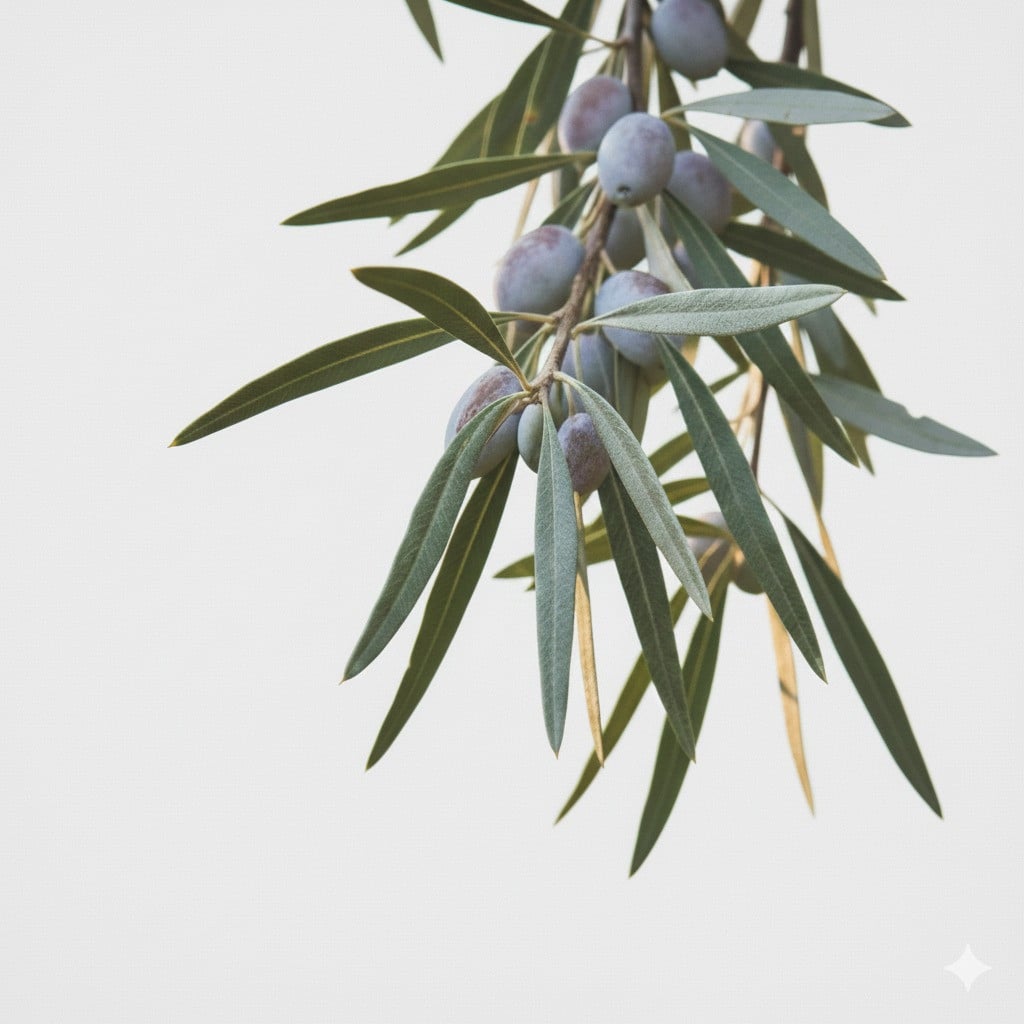
The genus Elaeagnus includes up to 90 species, depending on the author. Together with the sea buckthorns (Hippophae) and the buffalo berries (Sheperdia), they form the manageable family of the oil willow plants (Elaeagnaceae). Oil willows live in a symbiotic relationship with nodule bacteria. These are able to bind free nitrogen from the air. This cooperation enables oleaster willows to thrive even on nutrient-poor soils. Some hardy species are suitable for planting in the garden. The winter-green oleaster (Elaeagnus ebbingei) is a convincing hedge plant. Other species are better suited to a mobile tub or conservatory. Depending on the species, the blossoms of the olive willow, which bloom late into the fall, attract numerous insects. They are important bee pastures in the garden. The fruits are a popular food source for birds. Leaves Olive willows are evergreen or shed their leaves in the fall. The green to yellow leaves have brown to silvery scales or hairs. Some varieties are characterized by decorative bicoloured leaves. The short-stalked leaves have entire margins and are alternate on the stem. Their shape is round, oval or lanceolate. Flower The hermaphrodite flowers stand alone or in groups in the leaf axils. The four white or yellowish petals form a tube or bell. The flowers exude a pleasant fragrance and bloom from early summer to November, depending on the species. Fruit The fruit is a drupe that is round or elongated-oval in shape. Their color ranges from yellow to orange to red. Most fruits are edible raw or cooked and appear in good conditions from the third to fifth year. Growth Most oil willows are woody plants that form small shrubs or trees. While some species remain low, others grow up to a height of eight meters. Some species develop thorns. Utilization In the garden or park, olive willows appear as decorative individual elements or hedges. In landscaping, they are used to reinforce sandy slopes and embankments. The fruits of most species are edible. This explains the commercial use of oleaster willows in many countries. Their ability to tolerate pruning well makes oleaster willows popular bonsai plants.
Origin:
warm to subtropical latitudes of Asia, southern Europe and North America, Australia
Growing tips
Location Their resistance to salt and heat makes oleaster willows ideal for planting along property boundaries. Even if these are close to the road. The heat-loving plants thrive best in full-sun locations where they act as a single element. They blend in wonderfully with semi-shaded areas and in hedges. The best soil is well-drained and does not allow waterlogging. Most species prefer nutrient-poor soil. Care/pruning Oleaster willows are undemanding and easy to care for. They grow best when planted in spring or fall. Thinning out or pruning as a hedge is carried out in spring before the new leaves sprout. Most species can also tolerate heavy pruning. When watering, a two- to three-day rhythm with abundant watering is preferable to a small amount of water every day. In this way, the water reaches the deep root areas and the soil has the opportunity to dry out between watering. If the willow is planted in a container, preventative winter protection is recommended to protect the cold-sensitive plants against frost. Ideally, these plants should be overwintered indoors. A thin layer of leaves or bark mulch helps willows planted in the garden to withstand heavy frosts. Diseases/pests Diseases and pests only affect olive willows in rare cases. Prolonged waterlogging can lead to root rot, which can be avoided if the soil is well-drained and watered appropriately.

Companion Plants

Antagonistic Plants
Broccoli raab / Stem cabbage / Cima di rapa
Brussels sprouts
Cabbage (Cabbage)
Cabbage (Pointed cabbage)
Cabbage (red cabbage)
Cabbage (Savoy cabbage)
Cauliflower
Collard greens
Collard greens (Kale)
Collard greens (Tuscan kale / Dinosaur kale / Palm tree kale)
Funk
Kohlrabi / German turnip / Turnip cabbage
Lettuce (Common chicory)
Lettuce (Endive / Escarole / Erisée)
Lettuce (Lamb's lettuce)
Lettuce (Lettuce)
Lettuce (Oriental greens / Brown mustard)
Lettuce (Puntarelle / Cicoria di catalogna / Cicoria asparago)
Lettuce (Radicchio / Italian chicory)
Lettuce (Sugar loaf)
Make
Napa cabbage / Chinese cabbage
Pumpkin / Squash
Strawberry
Diseases
Powdery mildews
Root Rot
Pests
Land snails
Thrips
Spider mites
Aphids
Mealybugs
Schildläuse
White fly