St. John's wort

St. John's wort
Hypericum
Plant family
St. John's wort family (Hypericaceae)
Cultivation Break
0 Years
Season Overview
Sowing
Harvest
Harvest
J
F
M
A
M
J
J
A
S
O
N
D
1ST YEAR
FOLLOWING YEARS
Details


Light requirement
Sunny

Water requirement
Dry

Soil
Light (sandy)
Nutrient requirement
Low

Light germinator

Germination temperature
18 - 24 °C (Degrees Celsius)

Plant distance
30 cm

Row spacing
30 cm

Seeding depth
0.5 cm
Instructions
Description
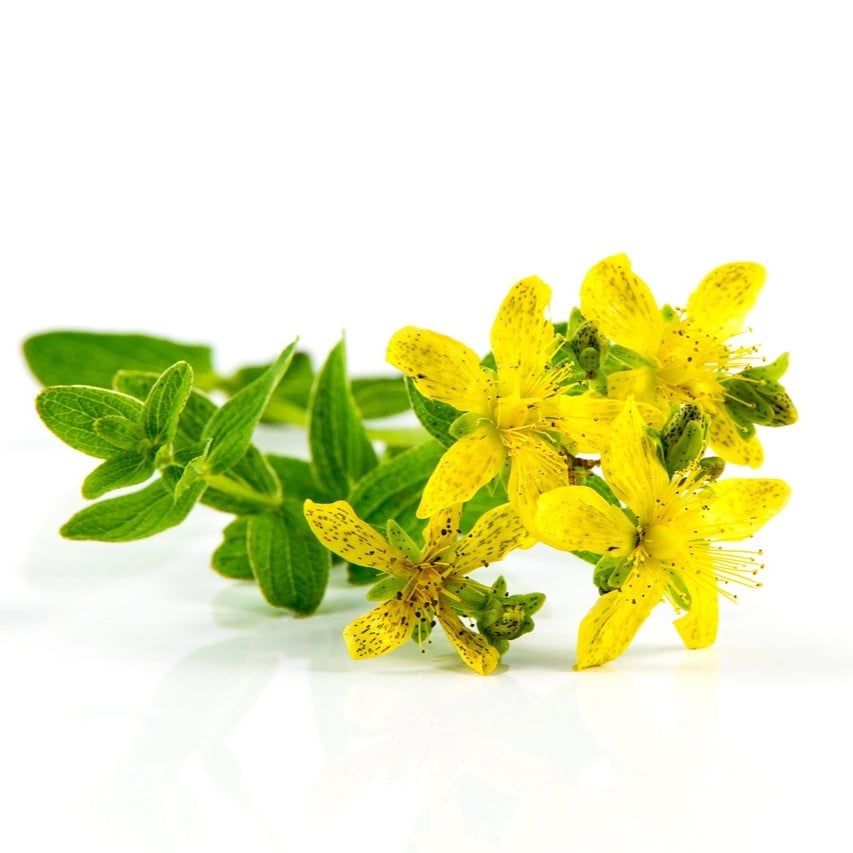
St. John's wort (Hypericum) is a separate genus within the St. John's wort plant family (Hypericaceae). This genus consists of various species that are distributed worldwide. These include perennials, semi-shrubs and small shrubs. Many of these species occur in open, sunny locations and are adapted to dryness and poor soils. Many of the characteristics of the plants within this genus are similar, but some of them differ greatly in growth height, site requirements and medicinal properties. St. John's herbs are mostly perennial, hardy shrubs. The growth form differs depending on the species and can range from upright to bushy to prostrate. They usually form deep taproots. The leaves are opposite and often have light-colored dots. The valuable essential oils that make the plant so popular are stored in these oil glands. The five-petaled flowers are golden yellow and resemble small stars. Depending on the species, you can see these plants in bloom between June and September. St. John's wort is an ecologically very valuable and robust plant. They provide plenty of pollen (but hardly any nectar) for pollinators and are popular with wild bees, hoverflies and beetles. They also serve as a food plant for the caterpillars of certain butterfly and leaf miner species. They are very easy to care for and drought-resistant.
Origin:
globally distributed species
Growing tips
St. John's wort is usually sown directly, as the seeds germinate more reliably with a cold stimulus. Otherwise, the plants are quite robust and easy to care for. You should just make sure that no waterlogging can occur, as this is the most common cause of diseased plants. All parts of the plant are edible and you can harvest and use both leaves and flowers. With St. John's wort and when using wild plants in general, it is important that you are well informed beforehand. St. John's wort is a powerful medicinal plant and should not be used internally with antidepressants, for example, as there is otherwise a risk of serotonin syndrome. The plant also increases the photosensitivity of your skin and you become more sensitive to the sun.


Antagonistic Plants
No antagonistic plants
Diseases
Root Rot
Powdery mildews
Pests
No pests