Jasmine

Jasmine
Jasminum L.
Plant family
- others -
Season Overview
Planting
Harvest
Harvest
J
F
M
A
M
J
J
A
S
O
N
D
1ST YEAR
FOLLOWING YEARS
Details


Plant distance
Not specified

Row spacing
Not specified

Seeding depth
Not specified
Instructions
Description
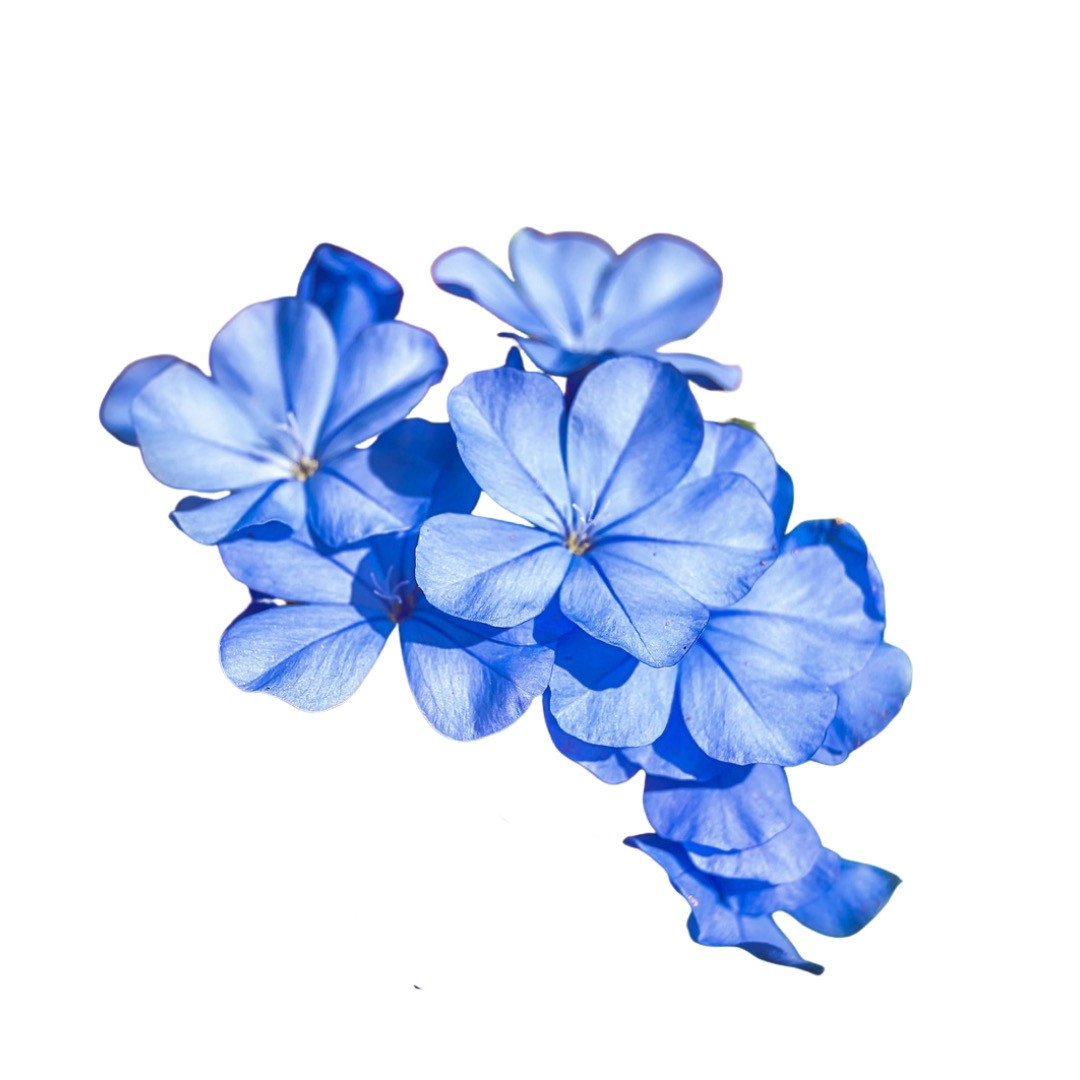
True jasmine (Jasminum officinale) belongs to the genus Jasminum in the olive family (Oleaceae). This genus includes over 200 species, including both deciduous and evergreen shrubs and climbers. Many jasmine species are characterized by their fragrant white or yellow flowers.
Growing tips
Jasmine (Jasminum) is a versatile plant that thrives both in the garden and in containers on the balcony or patio. Planting: The ideal time to plant jasmine is in spring or fall when temperatures are mild. Choose a sunny to semi-shady location with well-drained soil. Make sure that the soil is fresh and moderately dry to avoid waterlogging. When planting in a container, use a high-quality planting substrate and ensure that the pot has sufficient drainage holes. Care: Jasmine requires regular watering during the growing season. The substrate should be kept evenly moist, but without waterlogging. Low-lime rainwater is ideal. In the winter months, the water requirement is reduced as the plant enters a dormant phase. Here, the soil should only be kept slightly moist. From spring to autumn, jasmine benefits from regular fertilizer applications. A liquid fertilizer can be given every two weeks. Climbing jasmine species have particularly high nutrient requirements due to their strong growth; weekly fertilization is recommended during the growth period. In winter, during the dormant phase, fertilizing should be discontinued. Jasmine prefers a sunny to semi-shady location. A spot with direct sunlight promotes lush flowering and vigorous growth. However, young plants or those that have been moved outdoors from their winter quarters can tolerate some shade at first to avoid sunburn. The soil should be well-drained, rich in humus and slightly acidic to neutral. Waterlogging should be avoided as it damages the roots. Regular checks for pests such as aphids or spider mites are recommended. Biological pesticides can be used if necessary. Overwintering: Jasmine is not always hardy. In colder regions or with non-hardy varieties, it is advisable to cultivate the plant in a container and place it in a frost-free but cool place during the cold months. An unheated greenhouse or a bright cellar room are suitable for this. The plant should only be watered sparingly during the winter.


Antagonistic Plants

Diseases
Powdery mildews
Angular leaf spot of cucumber
Root Rot

Pests
Thrips
Spider mites
Mealybugs
Aphids
White fly